Six renovation styles, and what each one actually costs
Style is usually discussed as taste. It is also a specification: a style decides your cabinet door, your trim, your tile, your labor hours. These six cover most US renovations, with the cost drivers that are easy to miss.
Every style below can be done at a mid-range or high-end price point. What changes is the labor and the tolerance for error. Flat-panel doors are cheaper than shaker, which is cheaper than inset. A painted trim is cheaper than stained oak with a hand-finished profile. None of that is a judgment on taste — only on what the invoice will say.
Photos are illustrative examples of each style, not projects by this site.
1 · Transitional
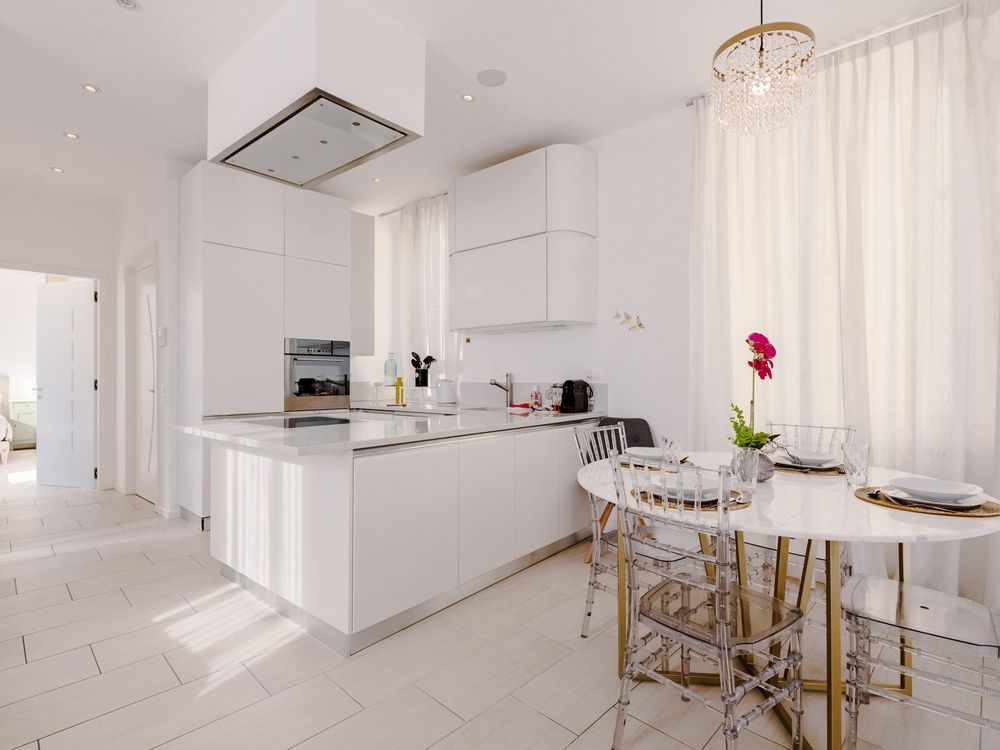
The default of American mid-range renovation for good reason. Shaker or slab doors, a simple crown, quartz counters, and a neutral palette. It borrows the calm of modern and the proportions of traditional, so it does not fight either.
Cost: the baseline most per-square-foot estimates assume. Where it dates: gray-everything transitional already looks like 2016; warmer whites and natural wood keep it current. Best for: resale, and anyone who does not want to redecorate in five years.
2 · Mid-century modern
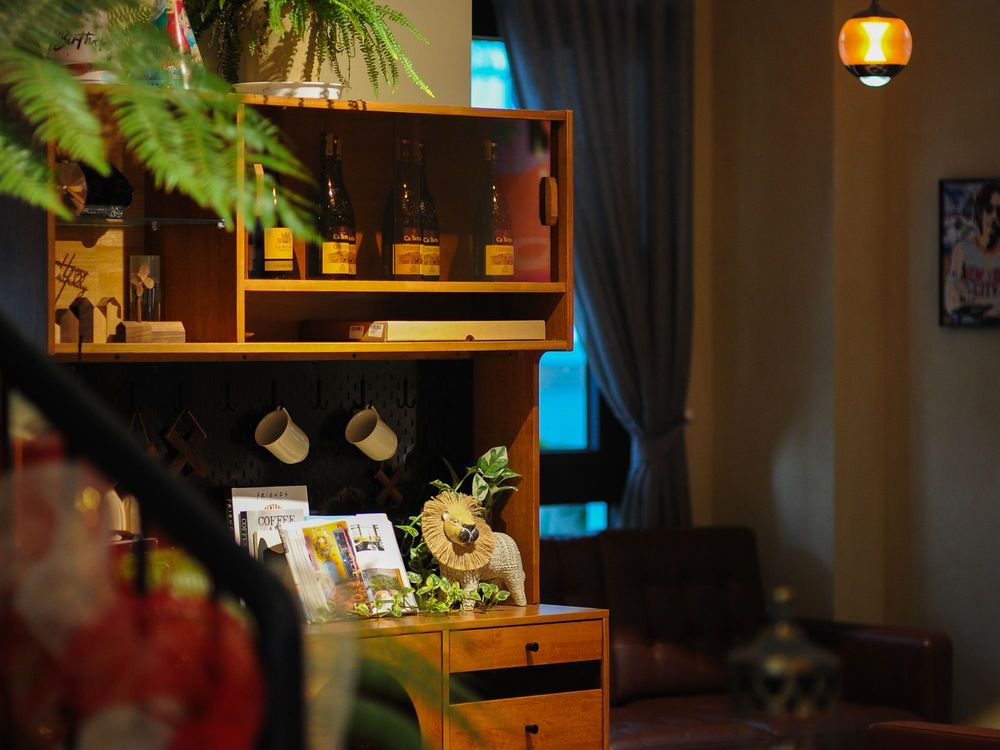
Flat slab doors, walnut or teak, tapered legs, globe pendants, and a strong connection to the yard. It depends on daylight and on restraint; a few good pieces carry the room, and a lot of mediocre ones ruin it.
Cost: +10–20% over transitional, mostly in wood and lighting. Where it dates: badly when reduced to brass fixtures and a gallery wall of repro posters. Best for: ranches and split-levels with low ceilings and big windows, where the style was designed to live.
3 · Modern farmhouse
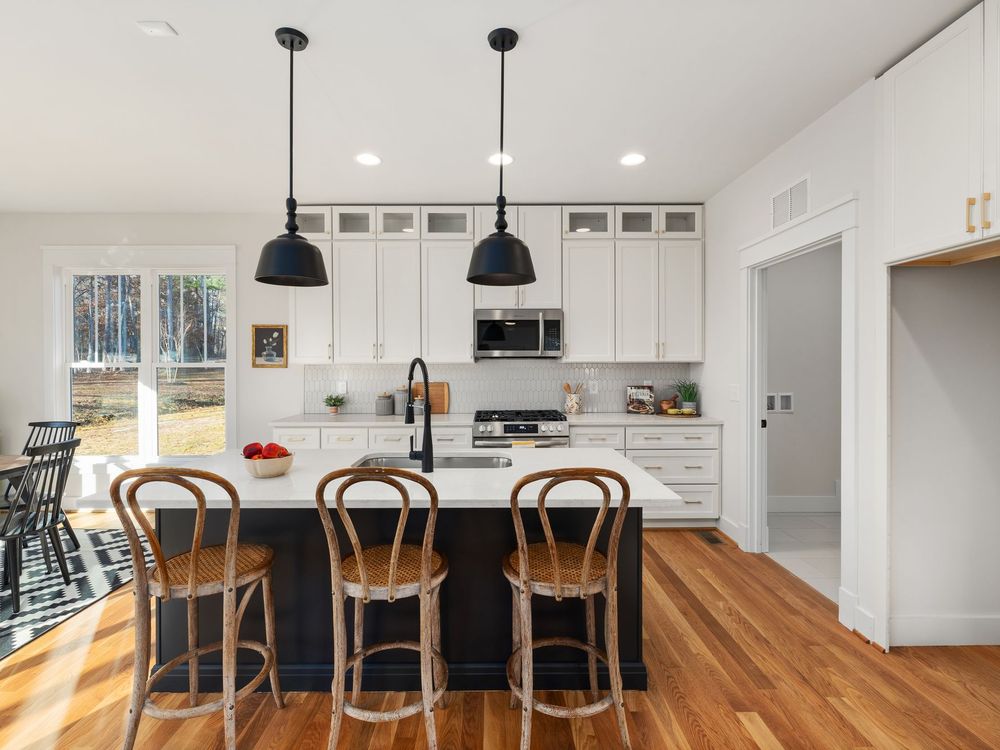
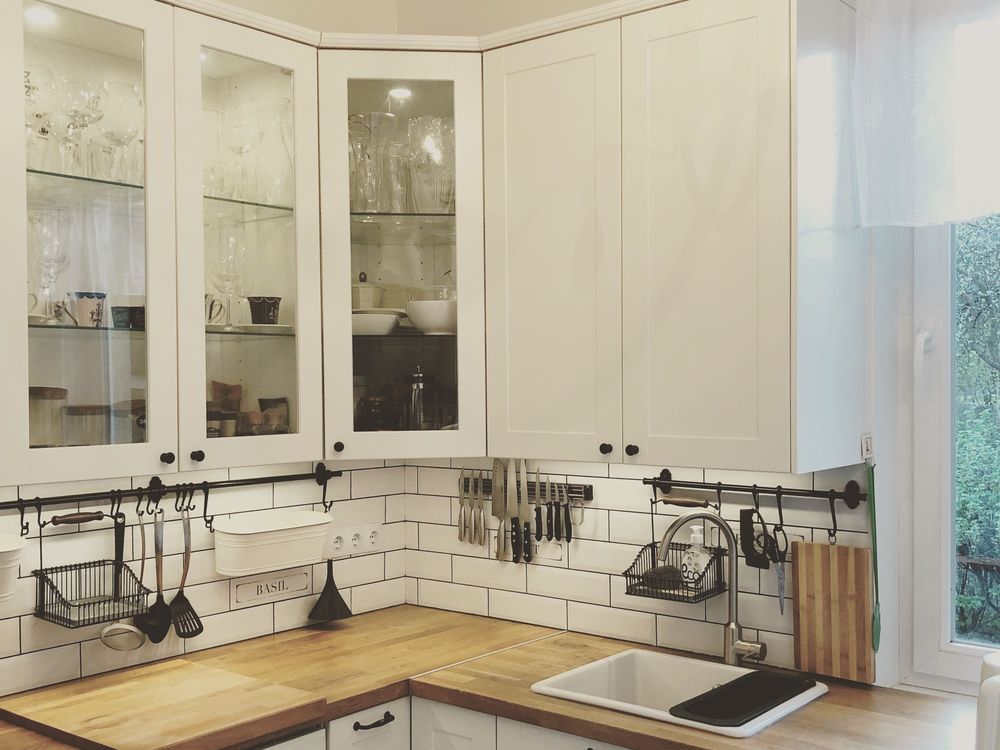
White walls, black hardware, a farmhouse sink, shiplap, and open shelving. It photographs well and forgives a small kitchen, which is why it spread so fast.
Cost: near baseline, unless the shiplap is real wood and the beams are structural. Where it dates: fastest of the six. The sign-and-shiplap version is already a resale cliché in many markets. Best for: actual farmhouses, and anyone who plans to repaint before selling.
4 · Scandinavian
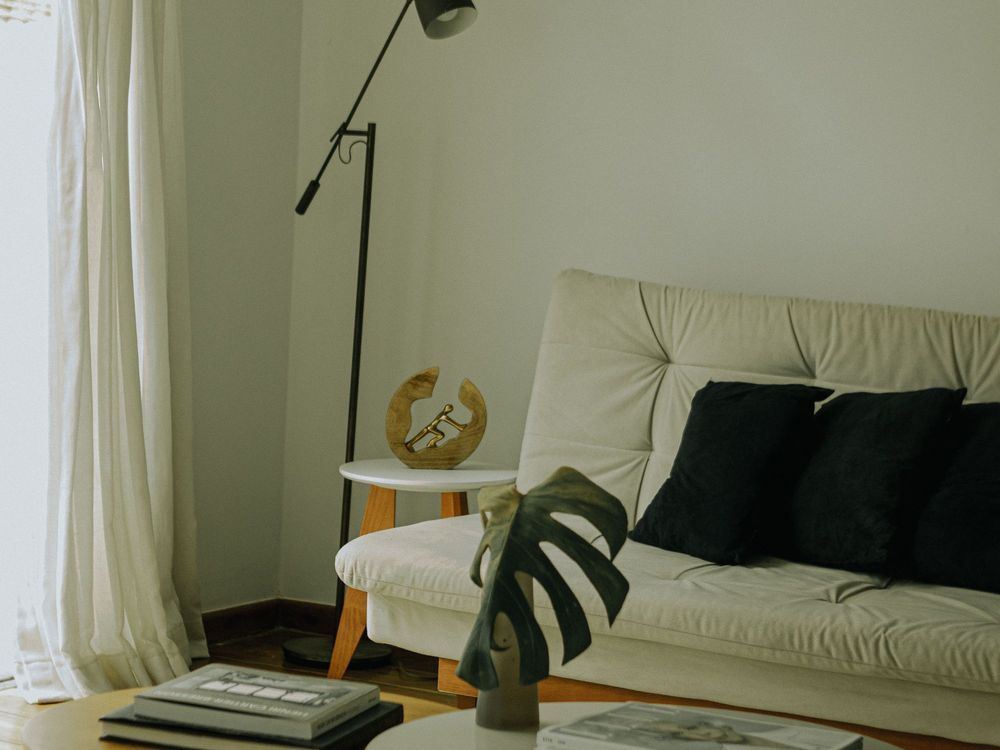
White walls, pale oak, wool, matte black accents, and as little visual clutter as possible. The style is less about objects than about light and empty space.
Cost: baseline to +10%. Pale oak is not cheaper than painted cabinets, and good lighting is not optional. Where it dates: slowly, but it demands discipline — the look collapses with clutter. Best for: small homes with good windows and owners who actually live minimally.
5 · Craftsman
Stained oak, built-ins, a deep porch, square columns, and honest joinery. It is the most detail-heavy style on this list, and the details are the expensive part.
Cost: +20–35% over transitional, driven by millwork and stained (not painted) trim. Where it dates: barely — it is period-correct for a large share of American housing stock. Best for: bungalows and foursquares that already have the bones, and owners who will pay for carpentry.
6 · Industrial

Exposed brick or concrete, black steel, large windows, and salvaged wood. It reads as authentic only when something in the room is actually old.
Cost: +15–30%, and unpredictable: exposing brick means finding brick, and steel is a specialty trade. Where it dates: quickly when it is a costume — faux brick panels and pipe shelving from a big-box store. Best for: lofts, converted commercial buildings, and basements where exposed structure is already visible.
Choosing without regret
Pick the style the house already leans toward, then spend the money where you touch it: doors, counters, and the light switches. Those are the surfaces that communicate quality. The floor is where budgets go to die, and nobody notices a $30/sq ft tile once the furniture is in.
A practical rule is 60/30/10: 60% of the palette is the quiet base (walls, floors, large surfaces), 30% is a secondary material (cabinets, trim, upholstery), and 10% is the accent you actually fell in love with. When a room feels off, the ratio is usually the reason.
One more constraint that gets ignored: lead times. A style built on imported tile or custom cabinetry can add 8–16 weeks to the schedule, which is often more expensive than the material itself. Ask for lead times before you fall in love with a sample.